

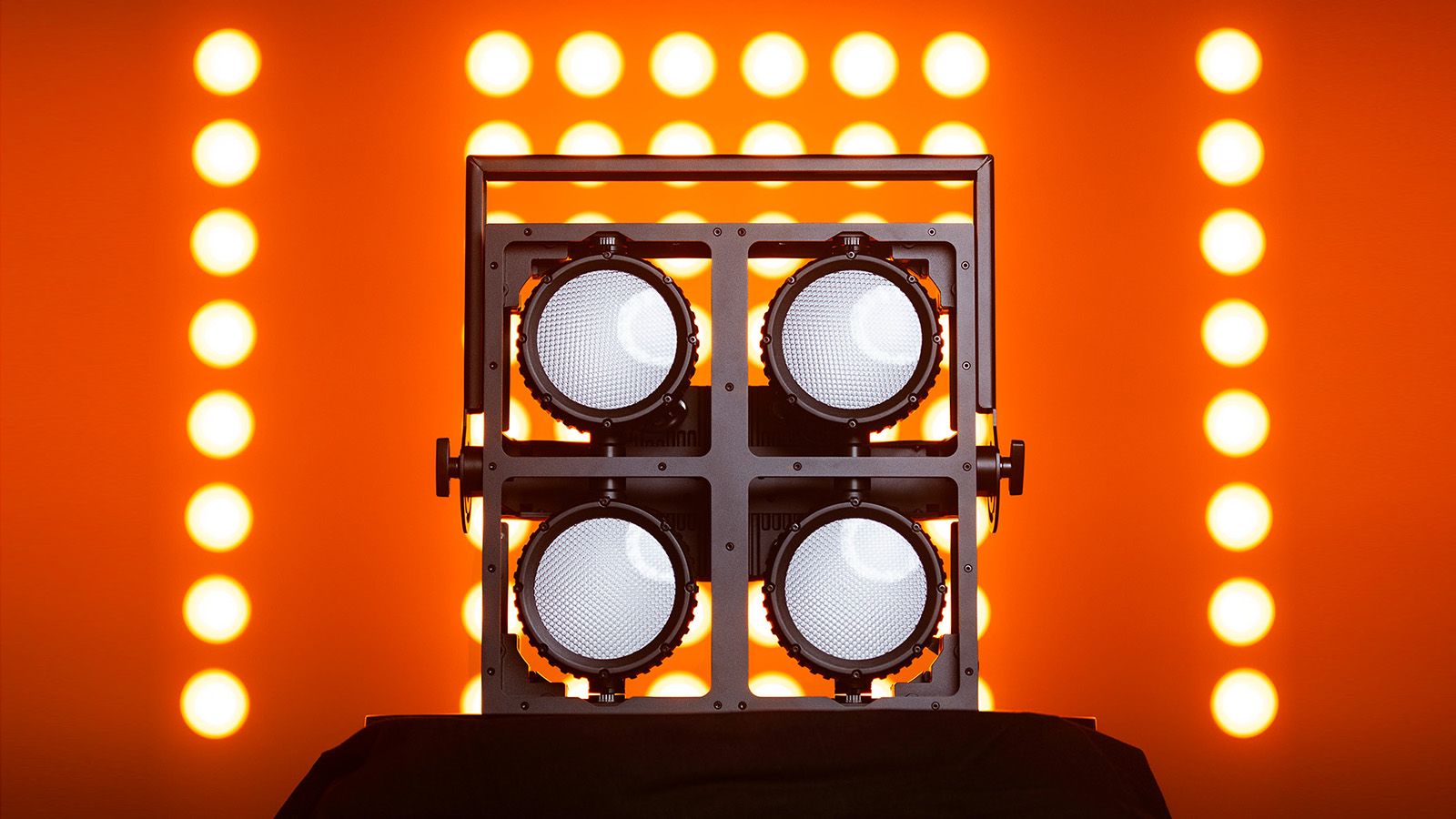
JDC Burst 1 not in Grandma3 can be frustrating for lighting designers who rely on smooth DMX control. Many users expect their JDC Burst 1 fixture to appear instantly in the Grandma3 console, but sometimes it just doesn’t show up. This problem can happen because of software compatibility issues, missing fixture profiles, or incorrect DMX settings. Understanding why the fixture is not recognized is the first step to solving it. Whether you are new to Grandma3 or an experienced operator, knowing the exact reasons behind this issue can save hours of troubleshooting. Often, the solution is simple, like updating your software or importing the correct fixture profile. In other cases, it might involve checking the DMX channels or rebooting the console and fixture. The key is to approach it step by step without guessing, so you avoid creating more problems.
Sometimes, the reason JDC Burst 1 not in Grandma3 appears is because the fixture is not added to the console’s library. Grandma3 needs each lighting fixture to have a profile so it can communicate correctly. If the profile is missing, the console cannot control the light properly. Another common cause is DMX addressing errors. Each JDC Burst 1 fixture has its own DMX start address, and if it conflicts with other fixtures, it will not appear in the console. Updating the Grandma3 software is also important, as older versions may not support the latest fixtures. Importing a fixture profile from the manufacturer or a trusted database usually fixes the issue. Additionally, checking the network or Art-Net connections can help if you are using digital control. Once you know the cause, you can apply the right fix and get your show running smoothly without stress.
Table of Contents
Understanding Why JDC Burst 1 Not in Grandma3 Happens
JDC Burst 1 not in Grandma3 happens for several reasons. The first reason is missing fixture profiles. Without a profile, the console does not know how to control the light. The second reason is DMX addressing problems. If the fixture address conflicts with another light, it will not appear. Third, software compatibility matters. Older versions of Grandma3 may not support new fixtures like the JDC Burst 1. Fourth, network or Art-Net settings can block communication between the console and the fixture. Understanding these reasons helps you focus on the right fix. You can save time and avoid guessing by checking these four things first.
Quick Steps to Make JDC Burst 1 Appear in Grandma3
Fixing the problem is usually simple. First, check if the fixture profile is installed. Go to the library and see if JDC Burst 1 is listed. If not, download the profile from the manufacturer or a trusted database. Second, check DMX addresses on the fixture. Make sure each fixture has a unique start address and does not overlap with other lights. Third, update Grandma3 to the latest software version. This ensures compatibility with new fixtures. Fourth, check network or Art-Net connections. Make sure the console and fixture are on the same network. Following these steps carefully usually solves the problem.
Checking Fixture Profiles for JDC Burst 1
Fixture profiles are like instructions for the console. Without them, Grandma3 cannot control the light. If JDC Burst 1 not in Grandma3 appears, check the profile first. Profiles can be downloaded from the manufacturer website or lighting forums. After downloading, import the profile into Grandma3. Once imported, the console can recognize the fixture and allow full control of colors, effects, and movement. Always make sure the profile matches your fixture model, because wrong profiles can cause errors.
How DMX Address Conflicts Stop JDC Burst 1 from Working
DMX addressing is important. Each light needs a start address to receive commands from the console. If two fixtures have the same address, one or both may not respond. JDC Burst 1 not in Grandma3 often happens because of address conflicts. To fix this, check the DMX start address on each fixture. Make sure each fixture uses a unique address. You can also use the console to detect fixtures on the DMX line. This prevents conflicts and allows all lights to work together smoothly.
Updating Grandma3 Software for Better Fixture Support
Older versions of Grandma3 may not support new fixtures. If your console does not recognize JDC Burst 1, updating the software is usually the solution. Updating is easy and keeps your system compatible with new lights. Check the official website or use the console update feature. Always back up your shows before updating, just in case something goes wrong. After updating, re-import the fixture profile and check if the light appears. Most of the time, this solves the recognition problem immediately.
Network and Art-Net Checks for JDC Burst 1 Issues
If you use digital lighting, network or Art-Net problems can stop the console from seeing the fixture. JDC Burst 1 not in Grandma3 can happen if the console and fixture are not on the same network or if the IP addresses are wrong. To fix this, check the network settings on both the console and the fixture. Make sure they are in the same range and can communicate. Test with a single fixture first to make sure it appears, then add more fixtures. This ensures smooth communication and prevents frustration during shows.
Common Mistakes Lighting Designers Make with JDC Burst 1
Many lighting designers make small mistakes that cause JDC Burst 1 not in Grandma3. One mistake is assuming the fixture will appear automatically without installing the profile. Another mistake is not checking DMX addresses, causing conflicts. Some forget to update software or check network settings. Beginners sometimes mix up fixture models or use incorrect profiles. Avoiding these mistakes saves time and keeps your lights working properly. Always check profiles, addresses, software, and network before starting a show.
Tips for Smooth Integration of JDC Burst 1 in Grandma3
To make integration easy, follow a few tips. First, always download the latest fixture profile. Second, assign unique DMX addresses to all lights. Third, keep Grandma3 software updated. Fourth, check network connections if using Art-Net. Fifth, test each fixture before starting the show. Finally, keep backup copies of profiles and shows. By following these tips, JDC Burst 1 not in Grandma3 will rarely happen again, and you can focus on creating amazing lighting effects.
Troubleshooting Guide: JDC Burst 1 Not Recognized
If the light still does not appear, follow this guide:
- Check the fixture profile. Import if missing.
- Verify DMX addresses. Resolve any conflicts.
- Update Grandma3 software to the latest version.
- Check network or Art-Net settings.
- Reboot the console and fixtures.
- Test with a single fixture to isolate the problem.
- Contact the manufacturer or forums for support if needed.
Following these steps carefully usually resolves the issue without much stress.
Conclusion
Prevention is better than troubleshooting. Always update your software and fixture profiles. Label DMX addresses to avoid conflicts. Test network connections regularly. Keep backups of all shows and profiles. Train your team to check these steps before every event. By preventing mistakes, you save time, reduce stress, and ensure your lighting setup works smoothly every time.
FAQs
Why is my JDC Burst 1 not showing in Grandma3?
It usually happens because the fixture profile is missing, DMX addresses conflict, or the software version is outdated.
How do I fix JDC Burst 1 not in Grandma3?
Check and import the fixture profile, assign unique DMX addresses, update the software, and verify network settings.
Do I need a special profile for JDC Burst 1?
Yes, each fixture model needs its own profile for Grandma3 to control it correctly.